
The Land Institute – USA
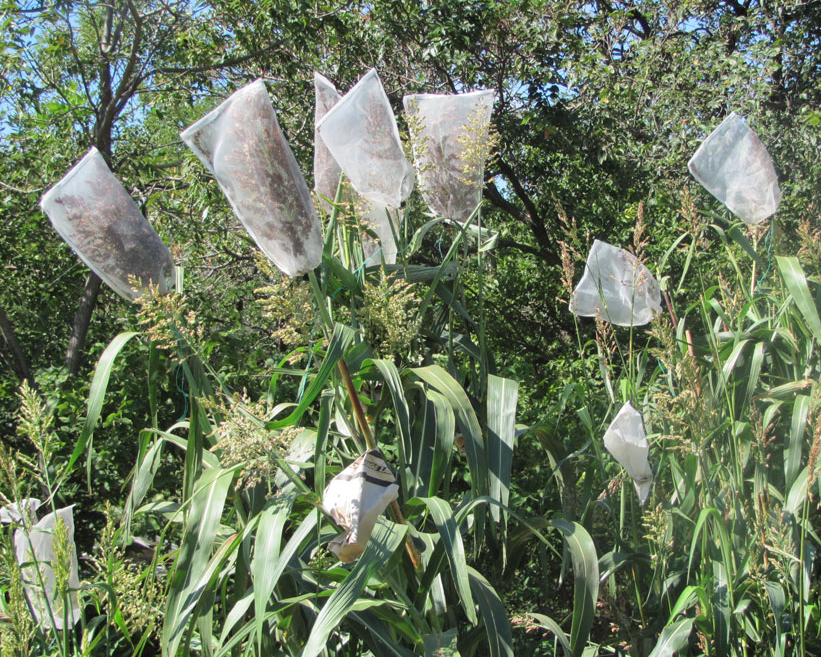
Researchers at the Land Institute in Salina, Kansas, are breeding perennial varieties of grains that eliminate erosion and actually help build soil. By crossing high-yield annual species like wheat and sorghum with their wild perennial relatives, the Land Institute aims to create food crops that don't require intensive tilling, tending and spraying.
Trees and Hope for Life – HONDURAS
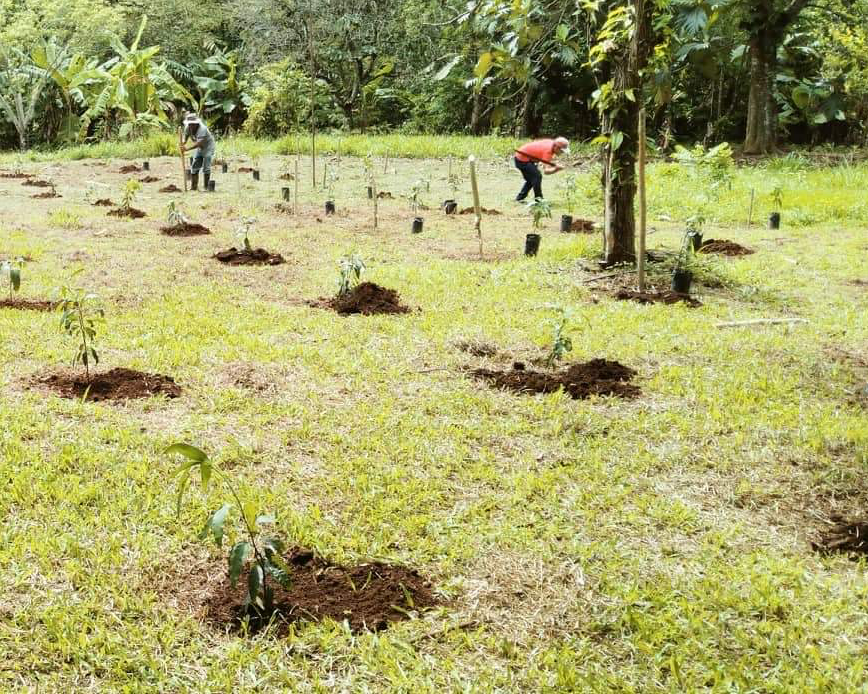
EPIC, and Proyecto de Desarrollo Rural Vicente Guerrero began a collaboration to encourage organic agricultural production in Axochiapan, Mexico. The past work of Fundación Don Sergio Méndez Arceo had been fighting effectively and forcefully for human rights in Mexico.
Goals For Kids: Sports Program – GUATEMALA
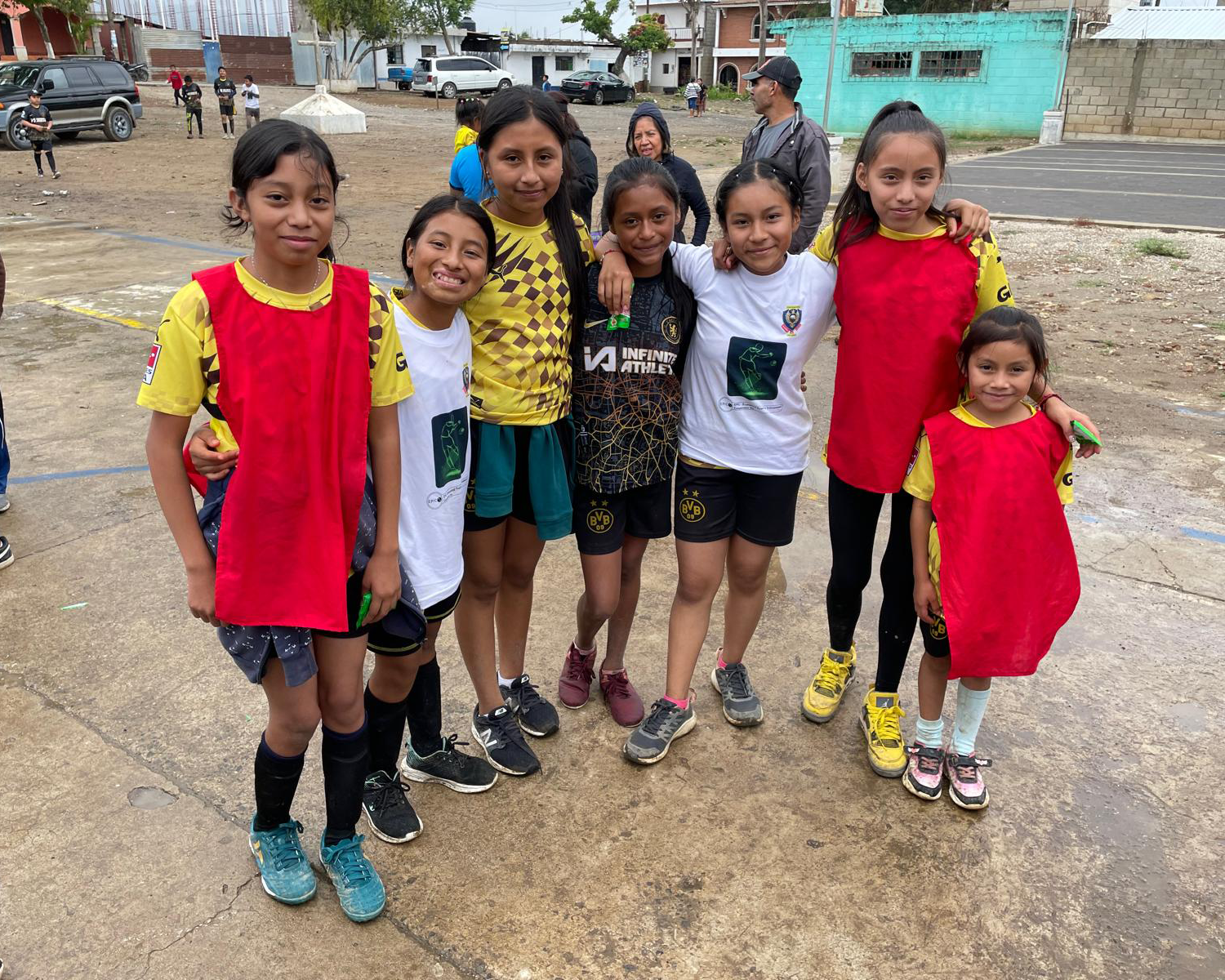
Goals for Kids works with teens and young children who have previously had no PE in school. This exciting project gets kids moving and is more than fun. They learn to work together, stay healthy and, most importantly, build the confidence that need to take on life.
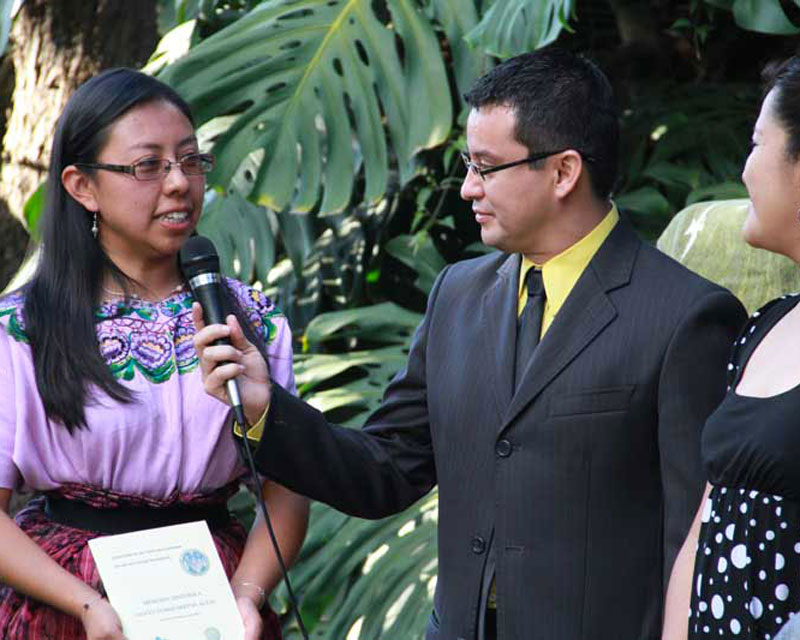
Maya Cultural Center – GUATEMALA
The Casa Para La Cultura Maya is a cultural center and educational resource: to preserve, esteem and promote all expression of Maya culture including Maya dress, music, dance, art, weaving, agriculture, cuisine, and community, spiritual, and family values; to reach out to the non-indigenous (ladino) population of Guatemala with special programs and events; to serve as a place where Mayas will have the opportunity to present their own interpretation of Maya culture to Guatemala’s international and national tourists.
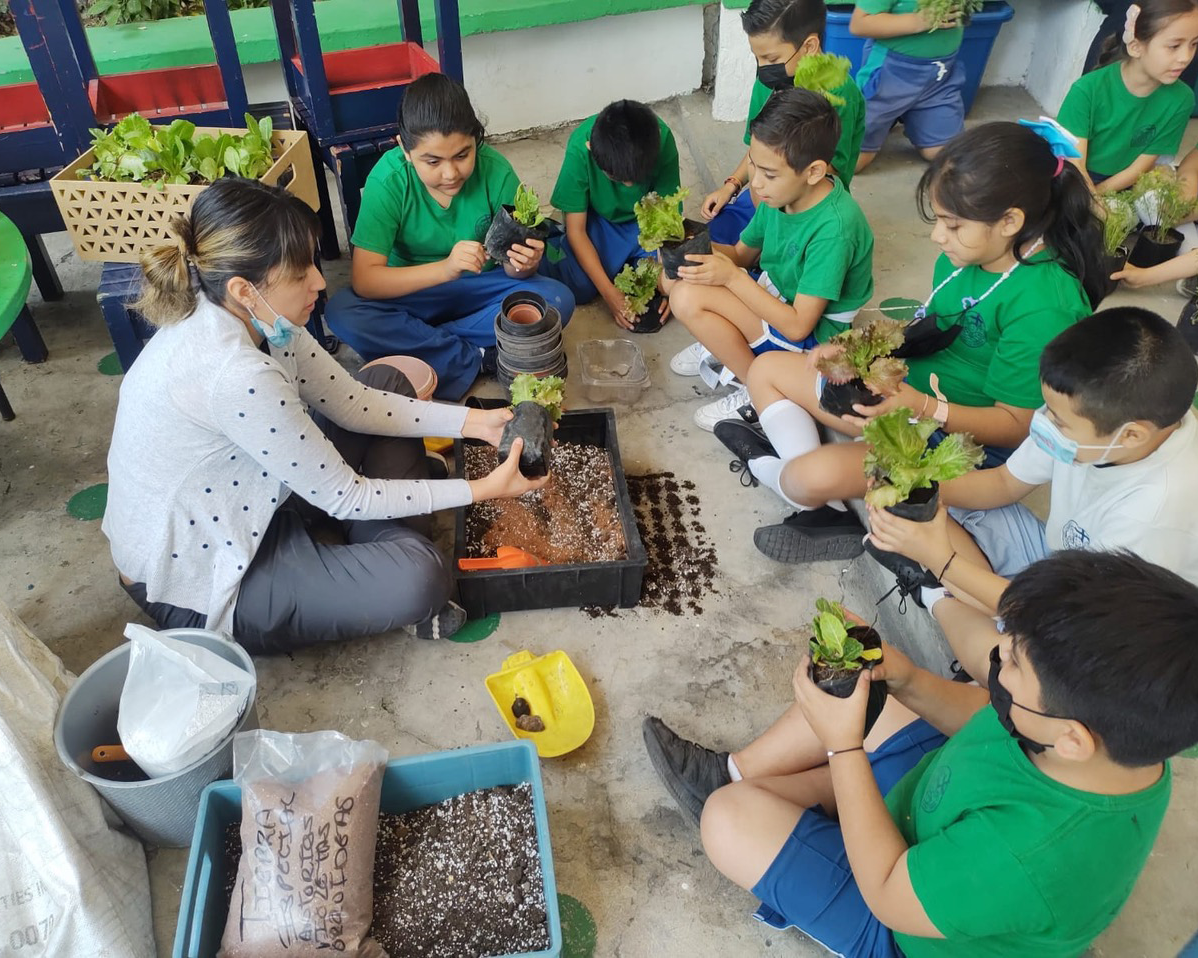
La Buena Tierra Preschool and Primary School – MEXICO
La Buena Tierra was started in 1999 as a preschool for children of very poor families who were entering first grade with no preparation. Next, the mothers dreamed of a quality elementary school. The children had become excited about learning, but they became frustrated and lost interest in the poor, under-funded and overcrowded public elementary schools.
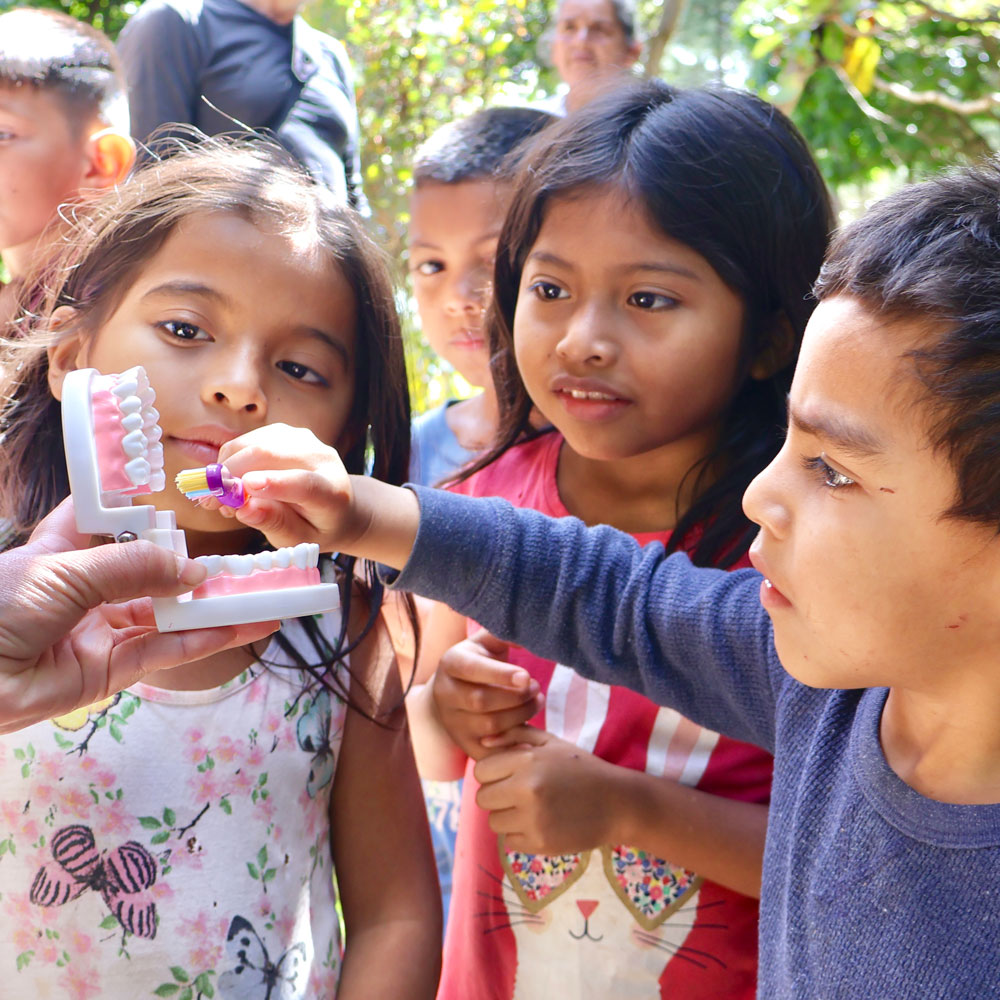
Health Education for Youth – HONDURAS
Since February 2017, EPIC has been working with a health promotion program for teens in Honduras. It is the initiative of 2 graduate students of the University of Honduras. The topics covered are self-esteem, drugs, sex education, dental hygiene, and nutrition (especially the constant consumption of junk foods).
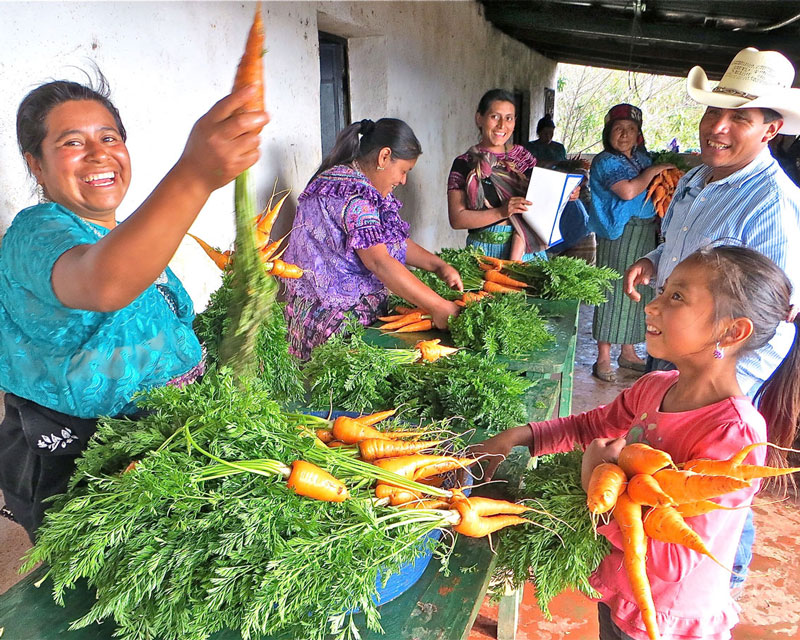
Baja Verapaz: Health Education – GUATEMALA
Baja Verapaz - Health Education program fights persistent malnutrition by teaching poor indigenous families in rural Guatemala to produce abundant nutritious food. This is important because Guatemala has the fourth highest rate of chronic malnutrition in the world and the highest in Latin America and the Caribbean.
Mujeres en Acción – GUATEMALA
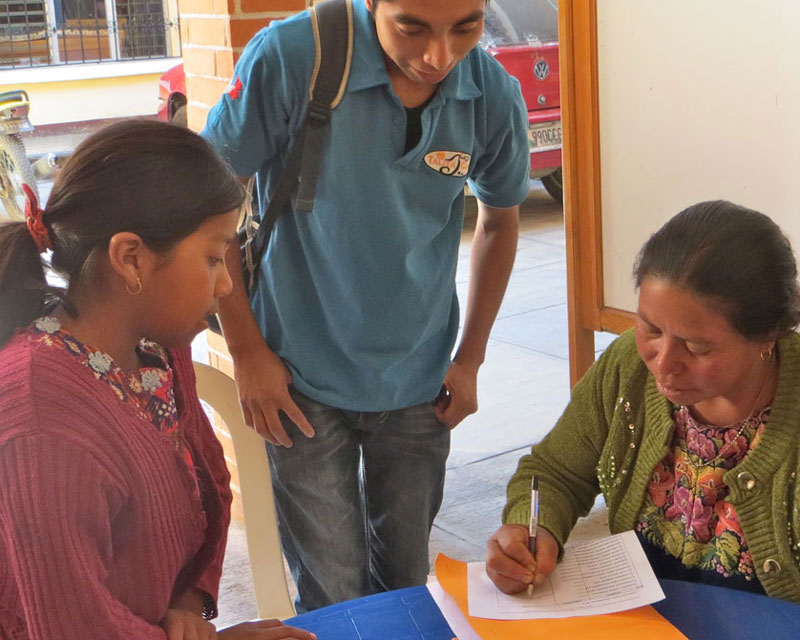
Mujeres en Acción is a micro-finance organization of Maya women. It began in 1984 when Felipa Xico was concerned for widows left without a means of support due to civil war. She went on to found Mujeres en Acción that has become a strong micro-credit organization which also addresses the multiple needs of the women participants.